
Plumbing Maintenance at Home: 10 Essential Tips Every Homeowner Should Know
Introduction
Your home’s plumbing system works quietly behind the scenes every day, delivering clean water where you need it and safely carrying wastewater away. From your kitchen sink and bathroom fixtures to your water heater and washing machine, a reliable plumbing system plays an essential role in your family’s comfort, hygiene, and daily routine. Because most plumbing components remain out of sight, it’s easy to overlook them until a problem occurs.
The good news is that many common plumbing issues can be prevented through regular observation and simple maintenance habits. Small concerns such as a dripping faucet, a slow-draining sink, or a minor leak may appear insignificant at first, but if ignored, they can develop into more costly repairs, increase water consumption, or even cause damage to your home. Taking a proactive approach helps homeowners identify potential issues early and maintain a plumbing system that operates efficiently.
Fortunately, effective plumbing maintenance at home doesn’t require advanced technical knowledge. By understanding a few essential maintenance practices and recognizing the warning signs of potential problems, homeowners can improve the reliability of their plumbing system while reducing unnecessary repair costs.
In this guide, we’ll explore 10 essential plumbing maintenance tips that every homeowner should know. These practical recommendations are designed to help you care for your home’s plumbing system, extend the life of important fixtures and appliances, and make informed decisions about when routine maintenance is sufficient and when it’s time to contact a qualified plumber.
At Fixlyo, our mission is to provide homeowners with reliable, easy-to-understand guidance that supports confident home maintenance decisions. Whether you’re maintaining a new home or caring for an older property, these plumbing maintenance tips will help you build safer, more efficient, and better-maintained living spaces.
Why Plumbing Maintenance Matters
A well-maintained plumbing system is essential for keeping your home comfortable, efficient, and safe. Every day, your plumbing network supplies clean water for cooking, cleaning, bathing, and drinking while also removing wastewater effectively. Because most pipes, valves, and connections are hidden behind walls, under floors, or inside cabinets, many homeowners rarely think about their plumbing system until something goes wrong. Unfortunately, waiting for a problem to appear often means dealing with more expensive repairs and unnecessary inconvenience.
Regular plumbing maintenance at home helps identify small issues before they become larger ones. A dripping faucet, a slow drain, or a minor leak may seem insignificant, but over time these problems can waste water, increase utility bills, damage cabinets or flooring, and place unnecessary strain on your plumbing system. Addressing concerns early is generally more affordable and less disruptive than responding to emergency repairs.
Routine plumbing maintenance also contributes to the long-term performance of household fixtures and water-using appliances such as faucets, toilets, washing machines, dishwashers, and water heaters. Keeping these components in good condition can improve their efficiency, extend their service life, and help reduce unexpected breakdowns.
Equally important, homeowners should understand that plumbing maintenance is primarily about observation, prevention, and timely action—not complex repairs. Simple habits such as checking for leaks, keeping drains clear, and recognizing early warning signs can make a meaningful difference. When a situation requires specialized knowledge or equipment, contacting a qualified plumber is the safest and most effective choice.
The ten practical tips in this guide are designed to help homeowners develop good maintenance habits, reduce common plumbing problems, and build greater confidence in caring for one of the most important systems in their home.
10 Essential Plumbing Maintenance Tips
1. Inspect Faucets and Fixtures Regularly
Faucets, showerheads, and other plumbing fixtures are used every day, making them some of the most frequently operated components of your home’s plumbing system. Over time, normal wear can lead to loose handles, worn washers, dripping faucets, or mineral deposits that affect water flow. While these issues may seem minor, they can gradually waste water and reduce the efficiency of your plumbing fixtures.
Make it a habit to visually inspect kitchen and bathroom faucets, showerheads, and exposed fixtures every few weeks. Look for signs of dripping water, corrosion, unusual noises, or reduced water flow. Cleaning aerators periodically can also help maintain consistent water pressure by removing mineral buildup.
Addressing small fixture issues early often prevents larger plumbing problems from developing later.
Homeowner Tip: During your regular household cleaning routine, take a few extra minutes to inspect all frequently used plumbing fixtures for signs of wear or leakage.
2. Fix Small Leaks Promptly
A small plumbing leak may not seem urgent, but even a slow drip can waste a surprising amount of water over time. In addition to increasing your water bill, unattended leaks can damage cabinets, flooring, walls, and nearby building materials if moisture is allowed to accumulate.
Pay attention to dripping faucets, leaking shut-off valves, moisture beneath sinks, or unexplained damp areas around plumbing fixtures. Early detection makes repairs simpler and helps protect your home from unnecessary water damage.
If you notice a leak that continues after basic inspection or appears to originate from concealed plumbing, arrange for professional assistance rather than allowing the problem to worsen.
Homeowner Tip: Check beneath kitchen and bathroom sinks once each month for signs of moisture, stains, or slow leaks that may otherwise go unnoticed.
3. Prevent Drain Clogs Before They Start
Keeping drains clear is much easier than dealing with a blockage after it forms. Everyday materials such as food scraps, cooking grease, hair, soap residue, and other debris can gradually accumulate inside pipes, slowing drainage over time.
Using sink strainers in kitchens and bathrooms helps capture debris before it enters the plumbing system. Avoid disposing of cooking oils or grease down sinks, as these substances can harden and contribute to pipe blockages.
If you notice water draining more slowly than usual, treat it as an early warning sign rather than waiting for a complete blockage to occur.
Homeowner Tip: Empty sink strainers regularly and dispose of collected debris in the household waste instead of washing it into the drain.
4. Know the Location of Your Main Water Shut-Off Valve
Every homeowner should know where the home’s main water shut-off valve is located. In the event of a burst pipe or significant plumbing leak, quickly shutting off the water supply can help minimize property damage while professional assistance is arranged.
Take time to locate the valve before an emergency occurs and ensure it remains easily accessible. Avoid storing heavy items around the valve that could delay access when time is critical.
Understanding where the shut-off valve is located does not require performing plumbing repairs, but it is an important part of responsible home ownership.
Homeowner Tip: Make sure all adult household members know where the main water shut-off valve is located and how to access it during an emergency.
5. Avoid Pouring Grease and Oil Down the Drain
Cooking grease, fats, and oils may appear harmless while warm, but they can solidify as they cool inside plumbing pipes. Over time, these materials attract other debris and contribute to stubborn drain blockages.
Instead of pouring grease into the sink, allow it to cool before disposing of it according to your local waste disposal practices. Food scraps should also be removed from plates before washing dishes whenever possible.
Developing good kitchen habits is one of the simplest ways to reduce unnecessary plumbing problems.
Homeowner Tip: Keep a dedicated container for cooled cooking grease rather than pouring it into kitchen drains.
6. Check Exposed Pipes for Signs of Wear
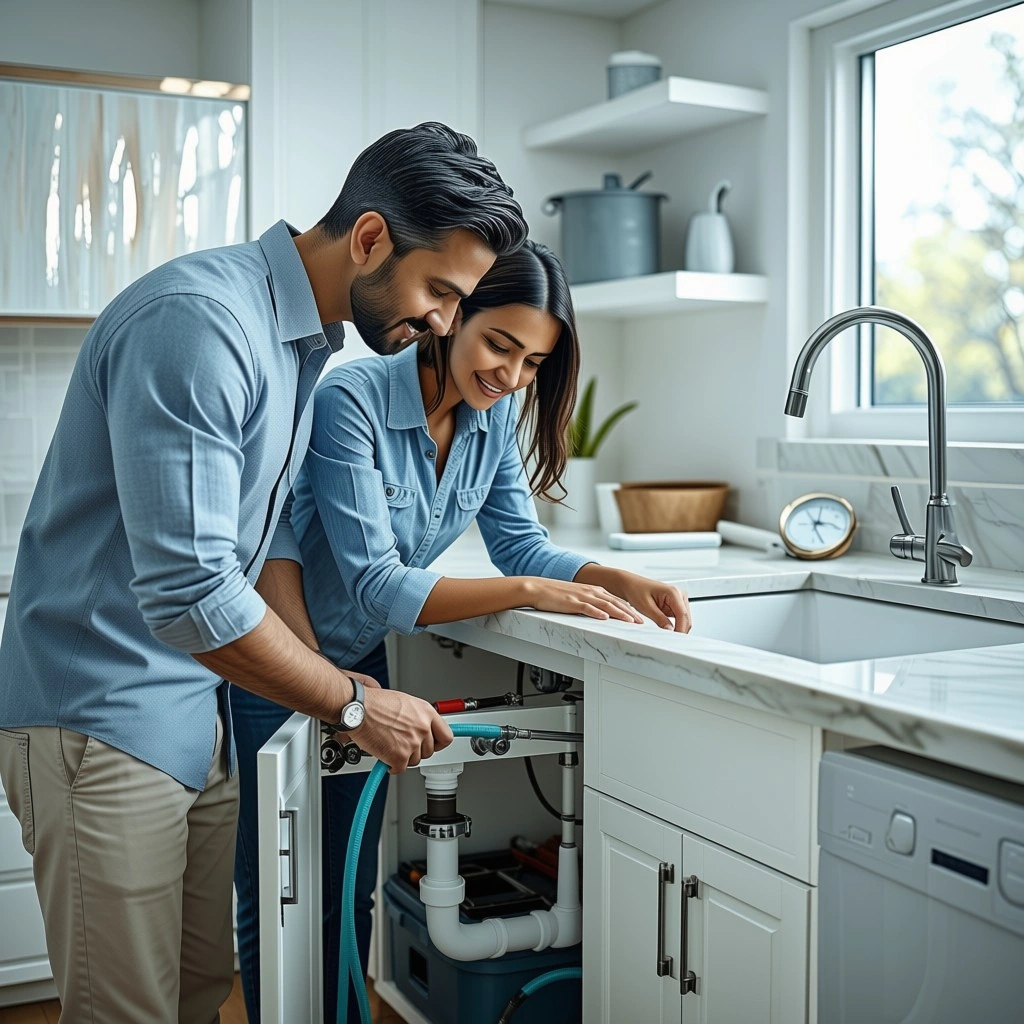
Although much of your home’s plumbing is hidden, exposed pipes beneath sinks, behind appliances, or in utility areas provide valuable opportunities for routine inspection. Look for moisture, corrosion, discoloration, loose fittings, or signs of mineral deposits that may indicate developing leaks.
Small issues identified during visual inspections are generally easier to address before they result in water damage or more extensive plumbing repairs.
Remember that inspections are intended to identify potential concerns—not to perform plumbing modifications.
Homeowner Tip: Include exposed pipe inspections as part of your seasonal home maintenance checklist.
7. Protect Pipes During Cold Weather
Cold temperatures can place additional stress on plumbing systems, particularly in areas where pipes are exposed or located in unheated spaces. Frozen water expands, increasing the risk of pipe damage.
If your home is in a region that experiences cold weather, ensure exposed plumbing is appropriately protected according to local recommendations. During extended periods away from home, maintain suitable indoor temperatures and follow any seasonal plumbing precautions recommended for your property.
Preventive preparation is generally easier than dealing with emergency plumbing repairs during severe weather.
Homeowner Tip: Review seasonal plumbing maintenance recommendations before winter arrives, especially if your home has exposed outdoor plumbing.
8. Maintain Toilets and Plumbing Fixtures
Toilets and other plumbing fixtures perform reliably when used correctly and inspected periodically. Watch for continuously running toilets, loose fixtures, or unusual flushing behavior, as these may indicate maintenance needs.
Only flush materials intended for toilets. Items such as wipes, sanitary products, cotton swabs, and paper towels can contribute to plumbing blockages even if product packaging suggests otherwise.
Routine cleaning also helps identify early signs of wear before larger issues develop.
Homeowner Tip: Listen after flushing to ensure the toilet stops running normally rather than continuing to refill for an extended period.
9. Inspect Water-Using Appliances Periodically
Appliances connected to your plumbing system, including washing machines, dishwashers, refrigerators with water dispensers, and water heaters, should be inspected regularly. Check visible hoses, water supply connections, and surrounding areas for signs of moisture or deterioration.
Replacing worn hoses before they fail can help prevent unexpected water damage. Always follow the manufacturer’s maintenance recommendations for each appliance.
Regular appliance inspections contribute to the overall reliability of your home’s plumbing system.
Homeowner Tip: Include plumbing-connected appliances in your routine home inspection schedule at least twice each year.
10. Know When to Call a Qualified Plumber
Good plumbing maintenance includes recognizing when a problem requires professional attention. Persistent leaks, repeated drain blockages, unusually low water pressure, water heater concerns, sewer odors, or unexplained increases in water usage may indicate underlying issues that should be evaluated by a qualified plumber.
While homeowners can safely perform routine visual inspections and preventive maintenance, complex plumbing repairs often require specialized knowledge and equipment. Attempting repairs beyond your experience may increase the risk of additional damage.
Seeking professional assistance at the appropriate time helps maintain the safety, efficiency, and long-term reliability of your home’s plumbing system.
Homeowner Tip: If a plumbing issue persists after basic observation or appears to affect multiple fixtures, arrange for a qualified plumber to assess the problem.
Following these ten maintenance practices can help homeowners keep their plumbing systems operating efficiently while reducing the likelihood of unexpected problems. Equally important is understanding that some situations require professional expertise rather than homeowner intervention.
In the next section, we’ll discuss the common situations where contacting a qualified plumber is the safest and most appropriate course of action.
When to Call a Qualified Plumber
Regular plumbing maintenance can help homeowners identify potential issues early and keep their plumbing systems operating efficiently. However, not every plumbing problem can—or should—be handled through routine observation alone. Recognizing when professional assistance is needed is an important part of responsible home maintenance.
If you notice persistent leaks, repeated drain blockages, unusually low water pressure, unexplained increases in your water bill, or unpleasant sewer odors, these may indicate underlying plumbing issues that require further investigation. Similarly, water stains on walls or ceilings, damp areas around fixtures, or signs of moisture where no water should be present may suggest hidden leaks that should be assessed promptly to help prevent additional property damage.
Problems involving water heaters, damaged pipes, sewer lines, or the home’s main water supply are also situations where professional knowledge and specialized equipment are often required. Attempting complex plumbing repairs without the necessary experience may increase the risk of water damage, create additional repair costs, or reduce the long-term reliability of the plumbing system.
A qualified plumber can accurately diagnose the root cause of a problem, recommend appropriate solutions, and carry out repairs in accordance with applicable plumbing standards and local regulations. Seeking professional assistance at the right time not only helps protect your home but can also prevent small issues from developing into larger and more expensive repairs.
As a homeowner, your role is to develop good maintenance habits, remain aware of changes in your plumbing system, and respond promptly when warning signs appear. Combining routine preventive care with timely professional assistance is one of the most effective ways to keep your home’s plumbing system safe, efficient, and dependable for years to come.
Conclusion
A reliable plumbing system is one of the most important parts of any home, supporting everyday activities such as cooking, cleaning, bathing, and maintaining a healthy living environment. While many plumbing components remain out of sight, regular maintenance and routine observation can go a long way in preventing unexpected problems and extending the life of your home’s plumbing system.
The ten plumbing maintenance tips discussed in this guide are simple yet effective practices that help homeowners identify early warning signs, reduce the likelihood of costly repairs, and improve the overall efficiency of their plumbing systems. By developing proactive maintenance habits and addressing small issues before they become larger concerns, homeowners can better protect their property, conserve water, and enjoy greater peace of mind.
Equally important is recognizing that routine maintenance and professional plumbing services work hand in hand. While regular inspections and preventive care are valuable responsibilities for every homeowner, seeking assistance from a qualified plumber when necessary helps ensure that complex issues are resolved safely and effectively.
At Fixlyo, we believe that informed homeowners make better maintenance decisions. Our goal is to provide practical, reliable, and easy-to-understand guidance that empowers you to care for your home with confidence. Whether you’re learning the basics of plumbing maintenance or expanding your knowledge of home care, every small step toward prevention contributes to a safer, more efficient, and better-maintained home.
Continue exploring the Fixlyo Plumbing Knowledge Hub for more expert insights, practical maintenance guides, and homeowner resources designed to help you understand and care for your home’s plumbing system with confidence.
Looking after your home’s plumbing system starts with understanding how it works and recognizing the importance of regular maintenance. The more informed you are, the better equipped you’ll be to prevent common plumbing problems and make confident home maintenance decisions.
The Fixlyo Plumbing Knowledge Hub is designed to provide homeowners with practical, reliable, and easy-to-understand resources covering plumbing maintenance, common household plumbing issues, preventive care, and best practices for maintaining a safe and efficient home.
Continue exploring our Plumbing Knowledge Hub to discover more expert guides, maintenance checklists, and homeowner-friendly articles that will help you protect your plumbing system and keep your home running smoothly for years to come.