
Electrical Safety at Home: 10 Essential Tips Every Homeowner Should Know
Electricity powers nearly every part of modern living. From lighting and kitchen appliances to home offices and entertainment systems, we depend on electrical systems every day. While electricity makes our lives more convenient, it also requires respect and proper care. A lack of awareness or simple oversights can increase the risk of electric shock, appliance damage, or even house fires.
The good news is that improving electrical safety at home doesn’t always require technical knowledge. Many common electrical hazards can be prevented by developing safe habits, performing basic visual checks, and recognizing when professional assistance is needed. Small preventive actions today can help protect your family, your property, and your valuable electronic devices for years to come.
In this guide, we’ll explore 10 essential electrical safety tips that every homeowner should know. Whether you’ve recently moved into a new home or have lived in the same property for years, these practical recommendations can help you better understand your home’s electrical system and reduce everyday risks. We’ll also discuss situations where it’s safest to contact a qualified electrician rather than attempting repairs yourself.
At Fixlyo, our mission is to provide homeowners with reliable, easy-to-understand guidance that supports informed home maintenance decisions. By following the recommendations in this article, you’ll be better equipped to create a safer and more dependable living environment for everyone in your home.
Why Electrical Safety Matters
Electrical systems are designed to make our homes comfortable, efficient, and convenient, but they should never be taken for granted. Every switch you flip, appliance you plug in, or charger you connect relies on a network of wiring and electrical components working safely behind the scenes. When these systems are properly installed and maintained, they provide reliable service for many years. However, neglect, aging equipment, improper use, or unauthorized repairs can significantly increase the risk of electrical hazards.
Many electrical accidents occur because warning signs are overlooked or basic safety practices are ignored. Overloaded power strips, damaged cords, loose outlets, and outdated electrical systems may seem like minor issues, but they can create serious risks over time. Recognizing these potential hazards early allows homeowners to address them before they develop into more significant problems.
Electrical safety is also about protecting more than just your home. Safe electrical habits help safeguard your family, reduce the likelihood of property damage, and extend the lifespan of valuable appliances and electronic devices. Preventive maintenance is often simpler, safer, and more cost-effective than dealing with the consequences of an electrical failure.
It’s equally important to understand that not every electrical task should be handled independently. While homeowners can perform simple visual inspections and practice safe usage habits, work involving electrical wiring, circuit breakers, or electrical panels should be left to qualified professionals. Knowing the difference between routine safety awareness and work that requires professional expertise is one of the most effective ways to maintain a safe home.
The following ten tips are practical, easy to understand, and suitable for most homeowners. By incorporating these habits into your regular home maintenance routine, you can significantly improve electrical safety at home while helping to create a safer living environment for everyone.
10 Essential Electrical Safety Tips Every Homeowner Should Know
1. Never Overload Electrical Outlets or Power Strips
Modern homes rely on numerous electrical devices, but every outlet and power strip has a safe operating capacity. Plugging too many high-power appliances into a single outlet can cause excessive heat buildup, increasing the risk of electrical failure or fire. Appliances such as electric heaters, microwave ovens, air conditioners, and electric kettles should ideally have their own dedicated outlets whenever possible.
Power strips are designed to provide additional convenience, not unlimited electrical capacity. Connecting multiple extension cords together or plugging one power strip into another (commonly called “daisy chaining”) should be avoided, as it places unnecessary stress on the electrical circuit.
As a simple habit, periodically check your outlets and power strips. If they feel unusually warm during normal use, disconnect the devices and investigate the cause before continuing to use them.
Homeowner Tip: Reserve wall outlets for high-power appliances and use power strips mainly for low-power electronics such as computers, chargers, and entertainment devices.
2. Inspect Power Cords and Plugs Regularly
Electrical cords are frequently bent, stepped on, pinched behind furniture, or exposed to daily wear. Over time, this can damage the insulation that protects the internal wiring. Even small cracks or exposed conductors can create potential electrical hazards.
Make it a routine to visually inspect the cords of frequently used appliances such as televisions, kitchen appliances, laptop chargers, extension cords, and vacuum cleaners. Replace damaged cords immediately rather than attempting temporary repairs with tape or other improvised solutions.
When unplugging appliances, always hold the plug itself instead of pulling on the cord. This simple habit reduces strain on both the cable and the outlet, helping them last longer.
Homeowner Tip: Include a quick cord inspection whenever you perform seasonal home maintenance or deep cleaning.
3. Keep Electrical Devices Away from Water
Water and electricity are a dangerous combination. Moisture can increase the risk of electric shock and damage electrical equipment. Kitchens, bathrooms, laundry areas, balconies, and outdoor spaces require extra attention because water is commonly present.
Never operate electrical appliances with wet hands or while standing on a wet floor. Keep hair dryers, electric shavers, portable heaters, and similar devices away from sinks, bathtubs, or other water sources. Outdoor electrical equipment should only be used with products designed for exterior conditions.
If an electrical appliance accidentally becomes wet, disconnect the power safely before handling it. Never attempt to use equipment that shows signs of water damage until it has been properly inspected.
Homeowner Tip: Keep countertops around sinks organized so that electrical appliances remain at a safe distance from water splashes.
4. Pay Attention to Warning Signs
Your home’s electrical system often provides early warning signs before a larger problem develops. Recognizing these signs early can help prevent more serious issues.
Some common warning signs include:
- Lights that flicker frequently.
- Circuit breakers that trip repeatedly.
- Outlets or switches that feel unusually warm.
- Burning smells near electrical fixtures.
- Buzzing or crackling sounds from outlets or switches.
- Sparks when plugging in everyday appliances.
While an occasional issue may have a simple explanation, recurring electrical problems should never be ignored. Continuing to use a faulty outlet or repeatedly resetting a tripped breaker without understanding the cause may increase the risk of equipment damage or other hazards.
Homeowner Tip: If you notice the same warning sign more than once, stop using the affected outlet or appliance and arrange for it to be inspected by a qualified electrician.
5. Protect Children Around Electrical Outlets
Young children are naturally curious, making electrical outlets and cords potential safety concerns. Childproofing your home’s electrical system is a simple but valuable step toward creating a safer environment.
Install child safety outlet covers or tamper-resistant outlet protectors in areas accessible to young children. Keep appliance cords neatly organized and avoid leaving loose cables hanging from countertops or furniture where children can pull on them.
Teach children from an early age that electrical outlets, plugs, and appliances are not toys. Establishing safe habits through supervision and education helps reduce unnecessary risks as children grow older.
Families should also ensure that extension cords do not create tripping hazards or become damaged through constant pulling or bending during play.
Homeowner Tip: During your regular home safety checks, inspect children’s bedrooms, play areas, and living spaces to confirm that outlet covers remain securely in place and cords are safely arranged.
The first five tips focus on preventing some of the most common household electrical hazards through simple daily habits and routine inspections. In the next section, we’ll look at five additional practices that can further improve electrical safety at home, including surge protection, proper use of extension cords, smoke alarms, regular maintenance, and knowing your home’s electrical system.
6. Use Extension Cords Safely
Extension cords are useful for temporary power needs, but they are not designed to serve as permanent wiring solutions. Relying on extension cords for everyday use may indicate that your home needs additional electrical outlets in certain areas.
Choose an extension cord that is appropriate for the device you intend to use. Heavy-duty appliances require extension cords with suitable electrical ratings, while lightweight cords should only be used for low-power devices. Avoid running extension cords under carpets, rugs, or furniture, as trapped heat can damage the insulation over time. Likewise, never pinch cords in doors or windows, as this may weaken the protective covering and expose the internal wiring.
Before using an extension cord, inspect it for cuts, cracks, loose plugs, or damaged insulation. Replace worn or damaged cords instead of attempting temporary repairs.
When the task is complete, unplug the extension cord and store it neatly in a dry location to help prolong its lifespan.
Homeowner Tip: If you regularly need extension cords in the same room, consider having additional wall outlets professionally installed instead of relying on a long-term temporary solution.
7. Install and Maintain Smoke Alarms
While smoke alarms are not part of your home’s electrical system, they are one of the most important safety devices for detecting fires, including those caused by electrical faults.
Install smoke alarms in accordance with local building recommendations, particularly outside bedrooms, inside sleeping areas where required, and on each level of your home. Test them regularly using the manufacturer’s recommended method and replace batteries when needed if the unit is not powered by a long-life battery or hardwired system.
Keep smoke alarms free from dust and avoid painting over or obstructing them. If an alarm chirps repeatedly, investigate the cause rather than ignoring it, as this often indicates that the battery requires replacement or the unit has reached the end of its service life.
Remember that smoke alarms provide an early warning—they do not prevent electrical problems. They should always be used alongside safe electrical practices.
Homeowner Tip: Choose a specific date each month to test all smoke alarms in your home so it becomes part of your regular home maintenance routine.
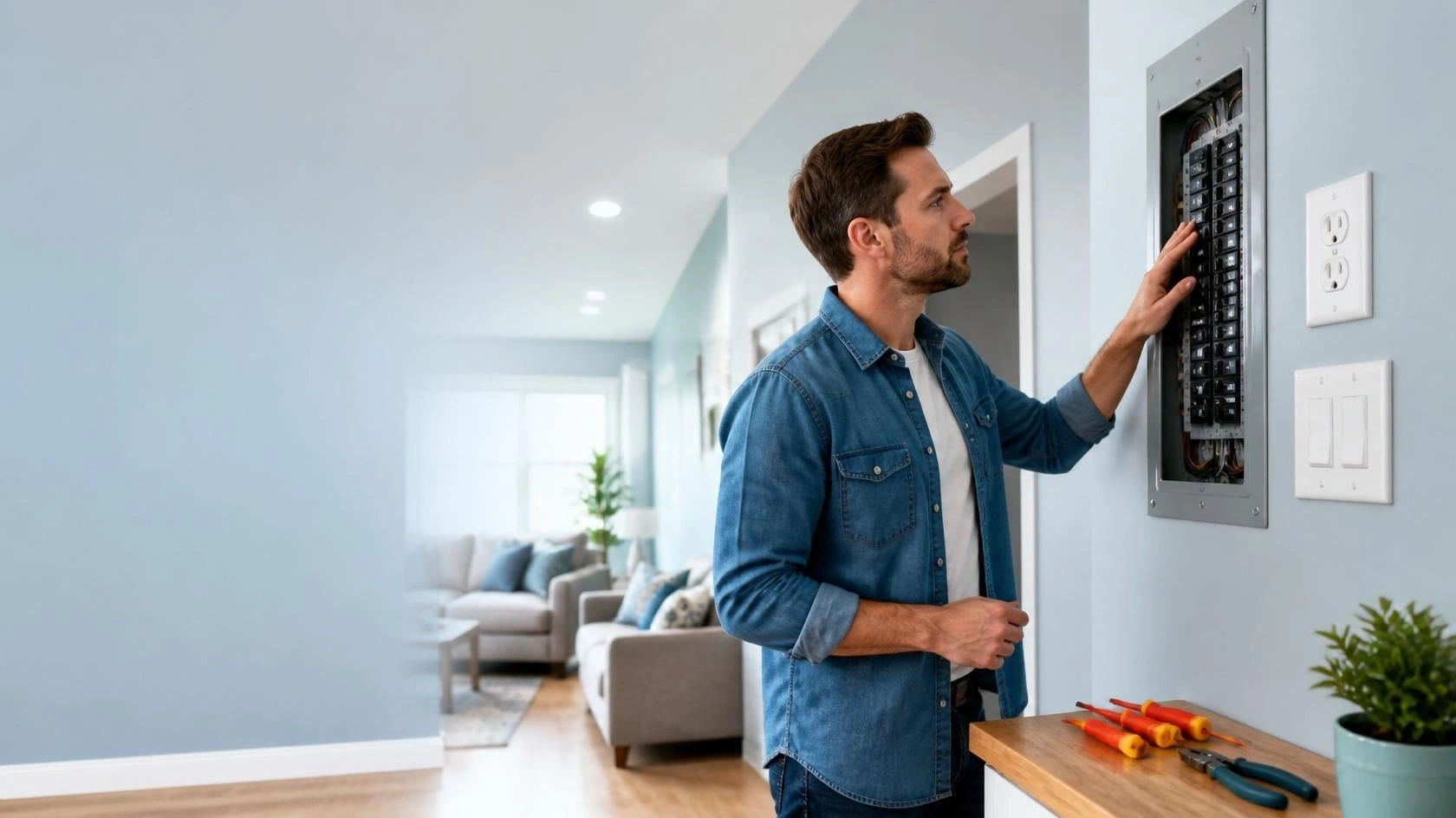
8. Know the Location of Your Main Electrical Panel
Every homeowner should know where the main electrical panel is located and understand its basic purpose. In the event of an electrical emergency, being able to quickly identify the correct location can save valuable time.
Take a few minutes to familiarize yourself with the panel and ensure there is clear, unobstructed access to it at all times. If the circuit breakers are labeled, verify that the labels accurately identify the areas or circuits they control. If labels are missing or unclear, consider updating them for future convenience.
However, familiarity with the electrical panel does not mean homeowners should perform electrical repairs or modifications inside it. The purpose of knowing its location is to improve preparedness and help communicate effectively with a qualified electrician when necessary.
Homeowner Tip: Keep the area around the electrical panel clean and accessible. Avoid storing boxes, furniture, or household items that could delay access during an emergency.
9. Schedule Periodic Electrical Inspections
Just as homes benefit from routine plumbing, roofing, and HVAC maintenance, the electrical system also deserves periodic professional attention. Many electrical components remain hidden behind walls, ceilings, and distribution panels, making it difficult for homeowners to detect potential issues through visual inspection alone.
If you live in an older home, have completed major renovations, added new high-power appliances, or purchased a previously owned property, a professional electrical inspection can help identify concerns before they become more serious.
Routine inspections may reveal outdated wiring, deteriorated connections, overloaded circuits, or other conditions that deserve attention. Addressing these issues proactively can improve reliability, enhance safety, and help prevent unexpected electrical failures.
Homeowner Tip: Consider arranging a professional electrical inspection after purchasing a home or before undertaking significant renovation projects that may increase electrical demand.
10. Know When to Call a Qualified Electrician
One of the most important aspects of electrical safety is recognizing the limits of homeowner maintenance. While routine visual inspections and safe usage habits are encouraged, electrical installations, wiring modifications, circuit breaker replacements, and panel repairs require appropriate training and experience.
If you notice repeated circuit breaker trips, persistent burning odors, buzzing sounds, damaged outlets, exposed wiring, or unexplained power interruptions, avoid attempting to diagnose or repair the problem yourself. Continuing to use a potentially faulty electrical system may increase safety risks and lead to more extensive damage.
Similarly, if you plan to install new circuits, upgrade your electrical panel, or add significant electrical loads to your home, consult a qualified electrician to ensure the work is completed safely and in accordance with applicable regulations.
Seeking professional assistance when necessary is not only the safest choice—it also helps protect your home’s electrical system and provides greater peace of mind.
Homeowner Tip: When in doubt, prioritize safety over convenience. If an electrical issue seems unusual or beyond your level of understanding, stop using the affected equipment and seek professional advice.
By following these ten practical recommendations, homeowners can significantly improve everyday electrical safety and reduce many common household risks. Equally important is understanding that safe home maintenance combines responsible homeowner habits with professional expertise when specialized electrical work is required.
In the next section, we’ll summarize the situations where contacting a licensed electrician is the safest and most appropriate course of action.
When to Call a Licensed Electrician
While many aspects of electrical safety at home involve simple preventive habits and regular visual inspections, certain situations require the expertise of a licensed electrician. Electrical systems are complex, and attempting repairs without the necessary knowledge, tools, or experience can increase the risk of injury, equipment damage, or fire.
You should consider contacting a licensed electrician if you notice recurring circuit breaker trips, flickering lights that persist after changing the bulb, burning smells near outlets or switches, buzzing sounds, exposed wiring, damaged electrical panels, or outlets that feel unusually warm. These warning signs may indicate underlying electrical issues that require professional diagnosis and repair.
Professional assistance is also recommended when installing new electrical circuits, upgrading an electrical panel, replacing household wiring, adding high-power appliances, or undertaking home renovation projects that involve electrical work. These tasks often require specialized expertise and should be completed in accordance with applicable electrical codes and safety standards.
Remember that the goal of homeowner maintenance is to identify potential concerns—not to perform complex electrical repairs. Recognizing when to seek professional help is itself an important part of maintaining a safe and reliable home. By combining good safety habits with timely professional support, homeowners can help protect their families, preserve their property’s electrical system, and enjoy greater peace of mind.
Electrical safety is not about becoming an expert in electrical systems—it’s about developing safe habits, recognizing potential warning signs, and knowing when professional assistance is needed. Small preventive actions, such as inspecting power cords, avoiding overloaded outlets, keeping electrical devices away from water, and scheduling periodic inspections, can go a long way toward creating a safer home for you and your family.
By following the ten practical tips shared in this guide, homeowners can reduce everyday electrical risks while improving the reliability and longevity of their home’s electrical system. Remember, prevention is always better than dealing with unexpected electrical problems after they occur.
At Fixlyo, we are committed to helping homeowners make informed home maintenance decisions through practical, reliable, and easy-to-understand guidance. As our Electrical Knowledge Hub continues to grow, we’ll publish more educational resources covering electrical safety, maintenance, troubleshooting, energy efficiency, and other topics that help homeowners care for their homes with greater confidence.
Looking for more practical homeowner advice?
Explore the Fixlyo Electrical Knowledge Hub for trusted guides, safety tips, and maintenance resources designed to help you understand your home’s electrical system and make informed decisions. Whether you’re learning about electrical safety, routine maintenance, or recognizing when to call a qualified electrician, Fixlyo is here to support your home maintenance journey with reliable educational content.